


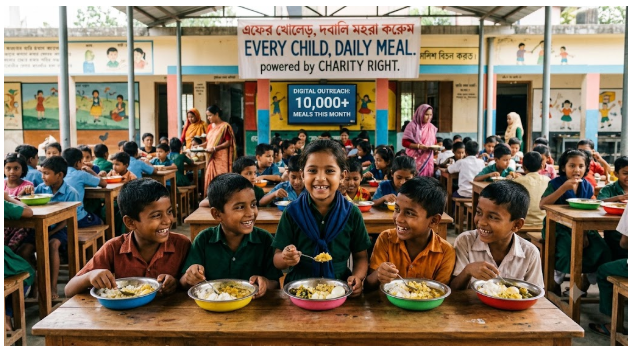
Bridging the Gap: Digital Innovation in the Fight Against Child Hunger
The intersection of modern digital infrastructure and global humanitarian aid is a space of untapped potential. For non-profit organizations dedicated to ending child hunger, the challenge is not just the physical delivery of nutrition, but the sustained visibility required to mobilize support. When a child misses a day of school because they must work to secure their next meal, we lose a future architect of our world. By applying the same rigor we use in business growth to the mechanics of charitable outreach, we can ensure that these children stay in the classroom, fueled by the daily meals they deserve.
The journey toward a hunger-free future is inherently linked to how effectively an organization can share its story with the world. To sustain life-saving projects, charities must navigate the complexities of digital visibility. Whether it is improving the accessibility of donation pages or ensuring that impact reports reach the right audience, the principles of digital optimization are vital. When supporters can easily find information about how their contributions directly influence attendance rates and nutritional outcomes, the barrier between intent and action disappears.
Many organizations today are moving beyond manual outreach and embracing advanced technological frameworks to streamline their operations. In the corporate world, a high-performing SEO consulting agency is often tasked with identifying how information can be better structured to meet the needs of users. Similarly, charities can benefit from a clearer understanding of how to present their mission to those searching for ways to make a tangible impact. By optimizing the digital journey of a donor, organizations can ensure that every click leads to a more informed decision, ultimately resulting in more consistent support for school meal programs in neglected regions.
Efficiency in the non-profit sector is not just about cost-cutting; it is about maximizing the impact of every pound, dollar, or euro donated. Organizations that adopt robust Workflow Automation can redirect precious human energy away from repetitive administrative tasks and toward the front lines of aid. Imagine a system where donor communication, impact updates, and project milestones are triggered automatically as soon as a fundraising goal is met. This shift allows teams to focus entirely on the core mission: ensuring that children in places like Bangladesh or Malawi have the sustained nutritional support they need to graduate and break the cycle of poverty.
Furthermore, the sustainability of charitable programs requires a steady stream of resources that does not fluctuate wildly with every passing trend. Building a resilient model often involves diversifying how we think about long-term funding. While traditional donations remain the bedrock of aid, some organizations look toward creating stable, recurring mechanisms that mirror the principles of generating Passive Income. By establishing endowment funds or long-term investment strategies, charities can ensure that even in leaner economic times, the kettles in school kitchens remain full and the students remain fed.
The digital landscape is a vast, competitive ecosystem. For many, navigating this environment requires a strategic approach to off-page visibility, often involving Link building strategies that establish an organization as a credible authority. When reputable educational platforms, news outlets, and community blogs link back to a charity’s impact studies or transparency reports, it doesn’t just improve search rankings; it builds trust. Trust is the currency of the humanitarian world. When a donor sees that a charity is recognized and cited by others for its work, they feel more confident that their support will yield a real-world result.
This is particularly relevant when we consider the diverse needs of donors today. Many individuals approach their charitable giving with the same analytical mindset they apply to their financial services. They want to see transparency, evidence of success, and a clear return on their “social investment.” They are looking for proof that their contribution is being utilized effectively to solve the problem of child hunger. By utilizing data-driven storytelling, charities can provide this evidence, clearly demonstrating that a daily meal is not just food—it is an educational tool that keeps a child in school for years.
The synergy between digital strategy and social impact is a testament to how far we have come in our ability to solve global issues. When we refine our digital footprints, we are not just playing with algorithms; we are widening the doors of schools for children who were previously forced to trade their education for survival. Every optimization, every automated process, and every strategic partnership is another brick in the foundation of a world where hunger no longer dictates a child’s potential.
It is heartening to see how the landscape of giving has evolved. By embracing these modern tools, we can move closer to a reality where the primary concern of a student is their next lesson, not their next meal. The commitment to providing consistent, nutritious food to schoolchildren is a profound act of empowerment. As we look to the future, the continued integration of smart digital strategies will be the catalyst that allows humanitarian work to scale, ensuring that no child is left behind due to the lack of a basic, daily meal. Through collective effort, innovation, and a persistent focus on our shared goals, we can indeed create a future where every child can grow, learn, and thrive.